

🦺 Common Workplace Hazards and How to Prevent Them
Workplace safety is not just a legal requirement — it’s a responsibility every organization must prioritize. Whether in construction, oil & gas, manufacturing, or even offices, hazards exist everywhere. Identifying these risks and taking preventive steps can save lives, reduce accidents, and improve productivity.
In this blog, we’ll explore the most common workplace hazards and practical tips on how to prevent them.
🔹 1. Slips, Trips, and Falls
- Hazard: Wet floors, uneven surfaces, poor lighting, or misplaced objects.
- Prevention:
- Keep walkways clear and well-lit.
- Use proper signage for wet floors.
- Provide non-slip footwear where necessary.
🔹 2. Fire Hazards
- Hazard: Faulty wiring, overloaded circuits, flammable materials.
- Prevention:
- Regular electrical inspections.
- Store flammable substances safely.
- Conduct regular fire drills and install fire extinguishers.
🔹 3. Chemical Hazards
- Hazard: Exposure to harmful gases, vapors, or cleaning agents.
- Prevention:
- Proper labeling and storage of chemicals.
- Use PPE such as gloves and masks.
- Train workers on handling hazardous materials.
🔹 4. Ergonomic Hazards
- Hazard: Poor workstation design, repetitive tasks, incorrect lifting techniques.
- Prevention:
- Adjust desks and chairs to proper height.
- Provide ergonomic tools and training.
- Encourage frequent breaks and safe lifting practices.
🔹 5. Noise Hazards
- Hazard: High noise levels in factories or construction sites.
- Prevention:
- Provide hearing protection (earplugs, earmuffs).
- Rotate workers to reduce prolonged exposure.
- Regularly monitor workplace noise levels.
🔹 6. Electrical Hazards
- Hazard: Exposed wires, damaged equipment, unsafe use of extension cords.
- Prevention:
- Ensure regular inspection and maintenance.
- Use only certified electrical equipment.
- Train employees on electrical safety.
🔹 7. Working at Heights
- Hazard: Falling from scaffolding, ladders, or roofs.
- Prevention:
- Use fall protection gear (harness, lifelines).
- Inspect ladders and scaffolds before use.
- Provide training on working safely at heights.
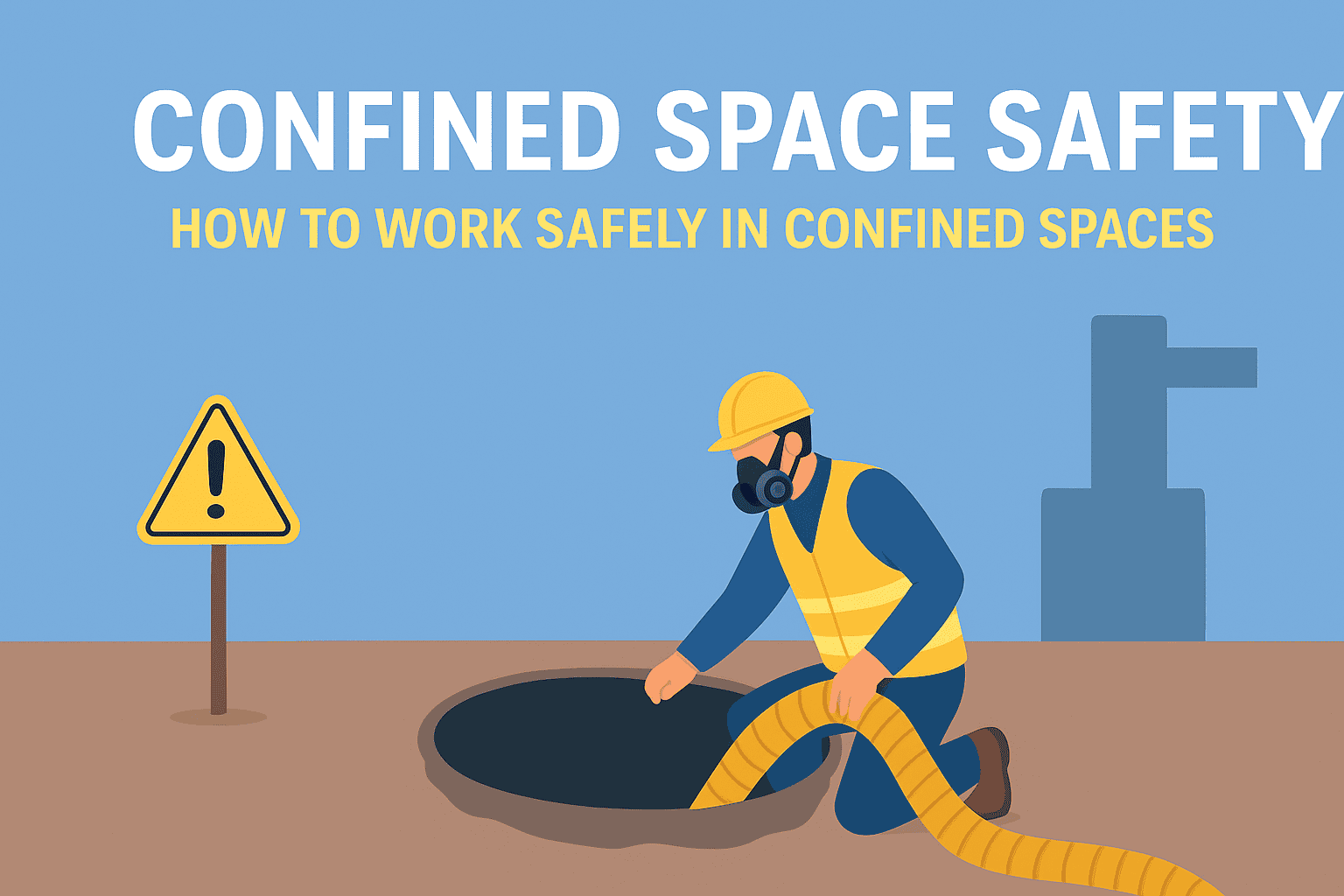
🔹 8. Confined Spaces
- Hazard: Oxygen deficiency, toxic gases, limited escape routes.
- Prevention:
- Test air quality before entry.
- Provide ventilation and proper PPE.
- Have a rescue plan in place.
✅ Conclusion
Workplace hazards can never be eliminated entirely, but they can be controlled and minimized with the right safety measures. Employers must take proactive steps to ensure a safe working environment, while employees must stay alert and follow safety procedures.
Remember: “A safe workplace is a productive workplace.”


Leave a Reply